“Can I Really Start a Home-Based Bakery Business With Just £70?”
That was the question I kept asking myself while staring at my notebook filled with dream bakery names, handwritten bread recipes, and budget scribbles. I didn’t have a business degree or a fancy kitchen.
But I had a passion for baking.
And my dream was to bring authentic Italian bakery products to my local community.
I also had very little money.
But what I lacked in cash, I made up for in clarity and creativity.
This is Julienne’s Panificio story and the step-by-step roadmap I created to bootstrap my Italian Home-Bakery business with just £70, no loan, and a whole lot of heart.
The Dream That Started in a Tiny Kitchen
I grew up in Italy, in a beautiful town called Florence. Italian bakery is artisanal, very sophisticated and delicious and produces various regions by region. They taste amazing. I remember how every morning, when walking with my dad to primary school, we would always stop at the local bakery to buy a ‘schiacciata’ for my school snack.
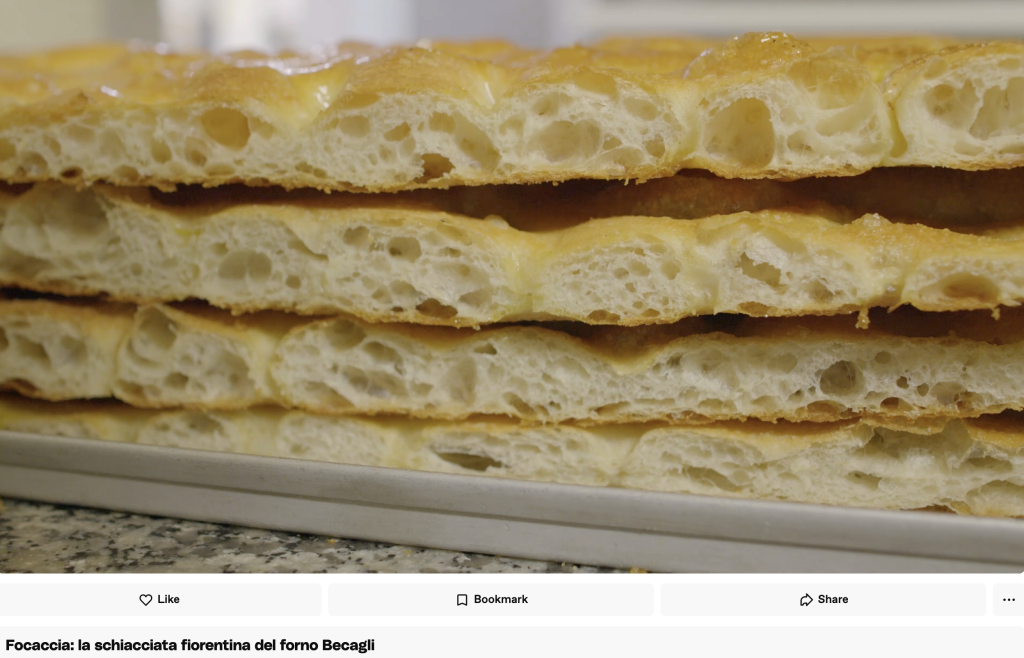
I grew up watching my mother loving cooking for the family, and that’s how my passion for cooking and baking was born. I particularly enjoyed having my hands dipped in flour, and so from a very young age, I began learning how to make the dough for lasagna, pizza and various pastries. The more I baked, the better I became, and the more I loved it. When I moved to the UK years later, I found myself missing not just the food, but the feeling that came with it and also having my hands covered in flour.
So, after years of dreaming over my childhood memories of eating schiacciata, I decided to turn my love for baking into something more.
“If I could bring even a slice of Italy to someone else’s home, maybe I could bring a little of it back to mine too”
But starting a business? That felt intimidating.
Until I discovered a secret most first-time entrepreneurs overlook:
You Don’t Need a Lot of Money to Start—You Need a Simple Plan
Instead of jumping in and spending hundreds on branding, packaging, and marketing, I made a decision to:
Start small, test the idea, and grow from there.
So I created a plan that looked like this:
- Step 1: Practice my artisanal craft.
- Step 2: Test the product at a local farmers’ market.
- Step 3: Budget my personal income to support business growth.
- Step 4: Reinvest profits, not income.
Let’s break it down.
Step 1: Practice in Private Before You Go Public
For 8 months, I baked at home every weekend. I tested recipes, tried different combinations, and asked my children to taste everything and give feedback (as I did not have anyone else who could do a taste trial).
My main focus was to:
- Masteri 3–5 signature products from Florence (the city where I was born and grew up)
- Getting consistent results
- Keeping ingredient costs as low as possible without sacrificing quality
At the same time, I signed up for free business workshops and lessons through a local women’s enterprise support group (The Women’s Organisation in Liverpool). These sessions covered the basics:
- Business foundation
- Marketing & Social Media
- Industry regulation
- Taxes and more
Step 2: Build a Minimum Viable Product (MVP) and Test It Cheaply
After months of perfecting her bakes, I decided to test my product in a real-world setting at one of the local Farmer’s Markets.
I did not have a website, just a Facebook and Twitter page.
I bought 2 big containers to carry my baked products to the market, a tablecloth, gloves, paper bags and a notebook.
Here’s how I spent my £70 startup fund:
| Item | Cost |
|---|---|
| Raw ingredients (flour, yeast, sugar, butter, extra virgin olive oil etc.) | £30 |
| Packaging (paper bag, gloves) | £8 |
| Market stall fee | £15 |
| Basic signage and price tags | £5 |
| Local transport to the market | £10 |
Total: £68
“That £68 wasn’t an expense—it was a test.”
And guess what?
I sold out everything. My total revenue for the day was £110
I did price myself low. I guess I was scared as I was new in the market, and I wanted to have an attractive price so that customers would stop by and be willing to give it a go. One mistake that I made was not having samples for tasting. Every time a customer approached, they asked if they could try, so I decided to take one of each baked product I was selling, cut it and put it in front for people to try. Although it might seem an obvious thing to do, it is very easy to forget simple things when feeling under pressure. I felt under pressure because I wanted to do well, I wanted to get positive feedback, and I did 😊.
“That moment gave me a sense of accomplishment and the courage to bake for the following Farmer’s market.”
Step 3: Budgeting as a Bootstrapper
After her successful market day, I noticed that I had only £40 in net profit. However, I had some flour leftover, olive oil and price tags, so for the next market I need only to buy a few things:
| Item | Cost |
|---|---|
| Raw ingredients (flour, butter and yeast) | £21 |
| Packaging (boxes, wax paper, twine) | £0 |
| Market stall fee | £15 |
| Basic signage and price tags | £0 |
| Local transport to the market | £10 |
Total: £46
“This means that my profit were not enough to be reinvested on the next market
So I created a simple budgeting method: The £70 Rule:
Which means that I was committed to never investing more than £170/month of my own money into the business. For the first 2 months, while testing the market.
That £70 had to cover:
- Ingredients for the weekend markets
- Packaging or tools I actually needed (no shiny extras)
- Fees for the stall or licences
This rule forced me to be resourceful by:
- Reusing signage instead of designing new ones.
- Finding local suppliers to buy in bulk and with discounts.
- Learning how to bake the exact quantity I believed I could sell by paying careful attention to customer feedback.
Every weekend became a live feedback loop, and I was always looking forward to going back.
My Smart Bootstrapping Blueprint (Recap for You)
If you’re thinking of starting a bakery business with very little money, here’s what you can learn from my journey:
1. Practice Your Craft Before Selling
Learn by doing, not by spending.
2. Start With a Micro-Test
Sell just enough to learn what works.
3. Budget Your Personal Spending for Business
Set a limit (like £150/month) and stick to it.
4. Track All Expenses and Learn From Every Market Day
Mistakes are part of the business plan.
5. Reinvest Profits, Not Hopes
Don’t grow faster than your wallet allows.
6. Use Free Resources Before You Pay
There are free business groups, mentors, and tools that can save you thousands.
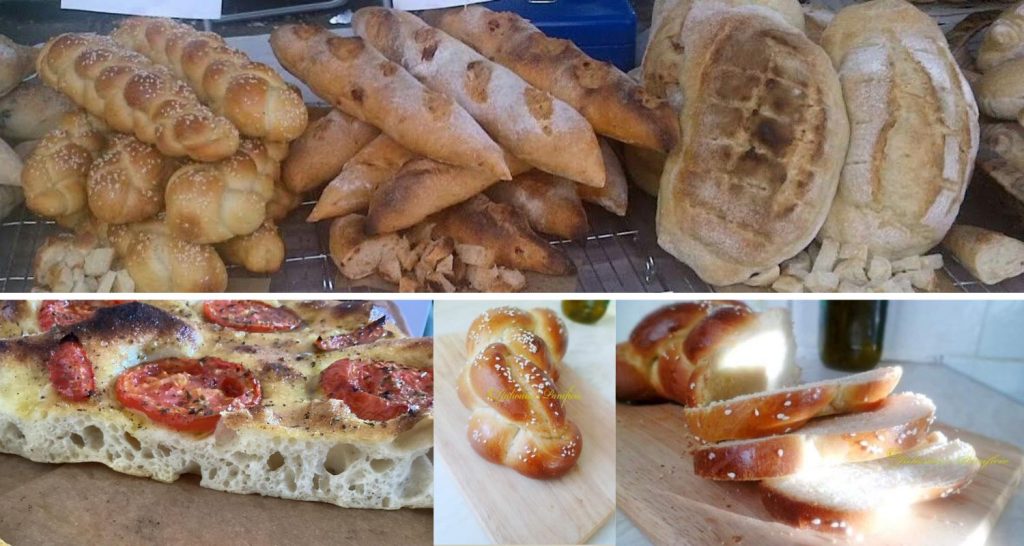
Final Thoughts: Start Small, Stay Smart
The myth that you need thousands of pounds to start a bakery business is just that—A Myth.
What you really need is:
- A product people want
- A way to test and learn fast
- A smart personal budget
- The discipline to reinvest your earnings
And if I could start a bakery with £70 and grow it into a stable weekend business—all while working, studying and managing my household—you can do it too.
Ready to take Action?
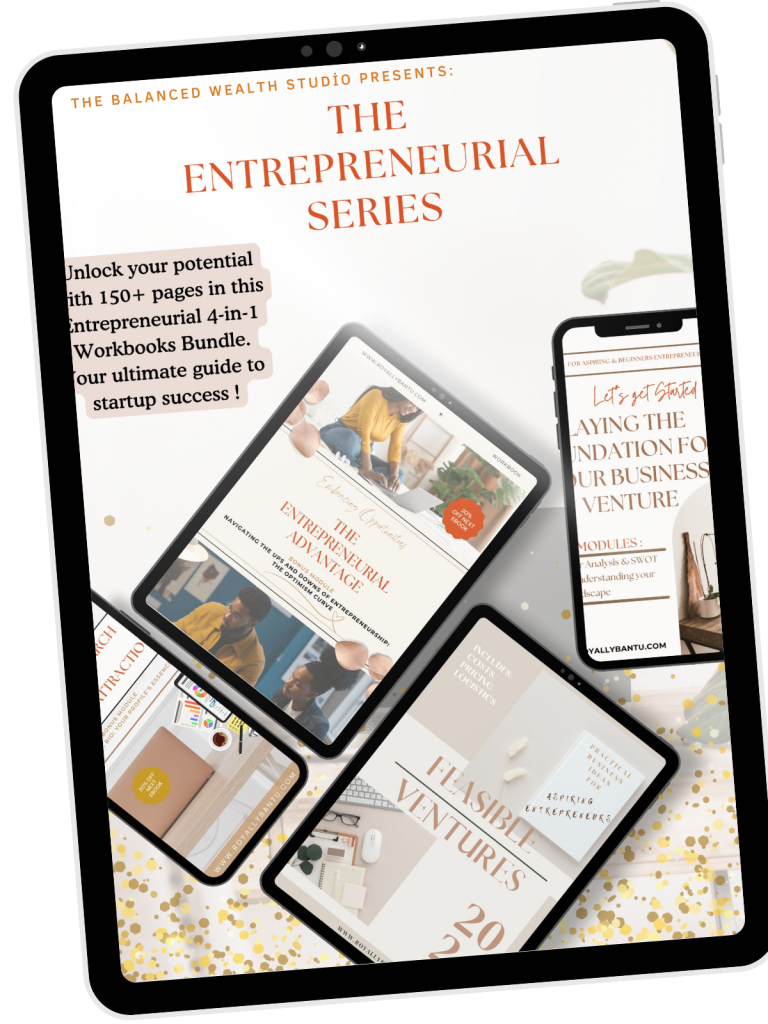
Download The Entrepreneur’s Concise Guide to Building a Profitable Business.
“You don’t need to start big. You just need to Start SMART.”
the balanced wealth studio