From Impulse Buyer to Conscious Spender: How I Stopped Wasting Money on Things I Didn’t Need
“Why do I have three blenders and two food processors?”
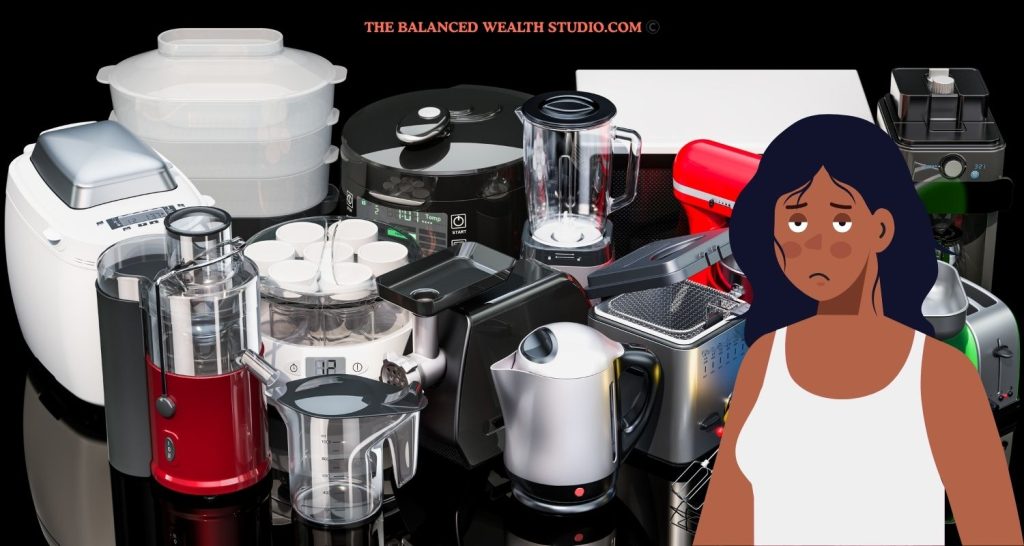
I remember standing in my kitchen one Monday afternoon, doing some cleaning and tidying up. That’s when I noticed it: I had two perfectly functioning blenders and two food processors – each a different version. Right next to them sat a spiralizer I used once, a milk frother that looks very cute on my kitchen counter, but that I can’t even use as I am lactose intolerant, a malfunctioning electric orange juicer and another spiralizer that I bought because I forgot I had one already.
That moment hit me hard.
Not because of the gadgets, but because of what they represented: money I didn’t have, spent on things I didn’t need.
This is the story of how I broke free from emotional spending and impulse buying—and how you can too.
The Shopping Habit I Didn’t Want to Admit
I’ve always been the type of person who loved “a little treat.” A new pair of shoes here, a new throw pillow there, or a kitchen gadget that promised to make life so much easier.
At first, I told myself I deserved it. After all, I worked hard. I was a busy mum juggling work, studying, and running a household. What’s wrong with buying a few nice things?
But the truth was, it wasn’t just “a few.”
I’d go into shops I hadn’t even planned to visit—“just to browse”—and come out with bags of clothes. Clothes for me. Clothes for my kids. Some of those clothes I never wore because I barely had time to go out, let alone put on new outfits.
I bought home décor I never had time to hang. New dinnerware when the old ones were fine. Techy gadgets to “save time” when the ones I had worked just fine.
It wasn’t shopping.
It was emotional spending.
And my money? It was disappearing faster than I could make it.
The Breaking Point: “Where Did All My Money Go?”
Month after month, I’d wonder why I felt broke.
I’d stare at my bank statement like it was written in another language.
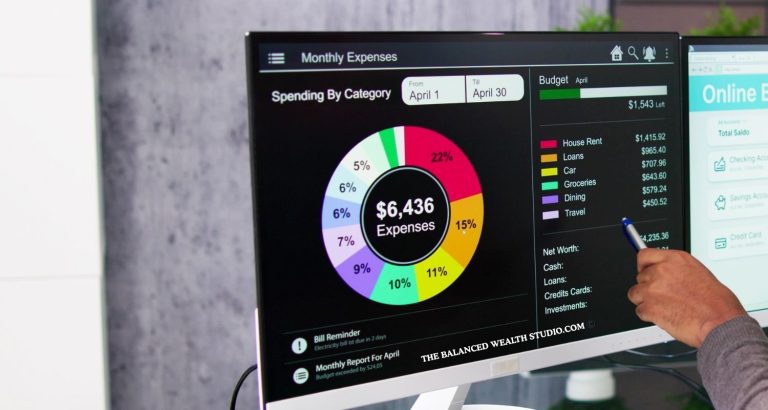
Then one day, I printed out three months’ worth of bank statements and highlighted every non-essential purchase.
The results shocked me.
- 440 on clothes.
- £180 on kitchen and home gadgets.
- £395 on Amazon “random bits.”
- £60 on scented candles and “home vibes.”
- £160 on impulse buys in just THREE months.
That’s £410 that could’ve gone toward savings, groceries, emergency funds, debt repayment, or just peace of mind.
I finally admitted to myself:
I wasn’t buying things because I needed them. I was buying them because I felt overwhelmed, stressed, and disconnected. Shopping was my temporary relief.
Why Impulse Buying Happens? It’s Not About the Stuff
Impulse buying isn’t a spending problem—it’s an emotional regulation problem.
Every time I bought something, I got a quick hit of dopamine. A little rush. A temporary high.
I was filling my emotional gaps with material things.
- Stressed at work? Buy a new mug.
- Tired of routines? Grab a new throw blanket.
- Feeling like I have not spent much time with the kids? Order a toy or outfit for the kids.
It felt like I was fixing something. But really, I was creating a bigger mess.
The Turning Point: I Was in a Financial Prison
After that statement audit, I had a real moment with myself.
I realised I was in a financial prison of my own making.
Every impulse purchase chained me to a lifestyle I couldn’t afford.
So I asked myself the hardest question:
What am I really trying to fix when I shop?
That question unlocked the door.
I wasn’t shopping for things—I was shopping for validation, ease, and control.
And what I needed wasn’t a new toaster or another outfit—I needed freedom.
From Emotional Spending to Emotional Intelligence
My spending habits weren’t about shoes, gadgets, or homeware.
They were about how I was managing my emotions.
When I learned to sit with my feelings, I stopped outsourcing comfort to objects.
And that was the real win.
Final Thoughts: Conscious Spending Is Freedom
I no longer buy things just to “feel better.”
Now, I spend with intention. I shop with awareness. I budget with love.
I am free.
And you can be too.
Ready to Take Action?
💾 Download: “The Conscious Spending Guide” (Free Template)

“Conscious spending isn’t about restriction—it’s about alignment. You’re not saying no to things. You’re saying yes to your freedom.”
the balanced wealth studio