Why Saving Money Felt Impossible (Until I Did This One Thing)
“As soon as the money came in, it was already gone.”
If you’ve ever muttered those words under your breath while checking your bank balance the day after payday—this story is for you.
There was a time when I thought saving money was only for people with “extra.” You know, those lucky ones with a stable salary, no unexpected bills, no debt, and certainly no children asking for last-minute school trip fees or needing new shoes—again.
But saving money isn’t about luck. It’s about learning how to put yourself first—even when you don’t think you can.
Here’s how I found financial breathing room on a painfully tight budget—and the one shift that changed everything.
The Endless Loop of “Just Getting By”
For years, I lived paycheck to paycheck. I was juggling my studies, raising my kids, and doing everything I could to make ends meet. Every penny had a place to go—and it usually wasn’t to me.
Rent, food, bills, kids’ expenses, petrol, subscriptions… and then some. At the end of the month, the idea of saving money felt like a cruel joke. I told myself I’d save next month. But next month never came.
Then one day, I came across the phrase that changed everything: Pay Yourself First.
What Does “Pay Yourself First” Actually Mean?
Paying yourself first doesn’t mean splurging on a new outfit or treating yourself to dinner after a hard week. It means this:
💸 Before you pay your bills, you put a small amount aside into your savings account.
It’s your non-negotiable. It comes before anything else.
At first, it felt selfish. How could I justify saving money when bills were due? But I realised something:
I had been putting myself last for years, and it wasn’t working.
Eventually, paying myself first became the single most important act of self-respect and financial healing I ever committed to.
Starting Small: My First Saving Was £5
Let me be honest—it was terrifying. The first time I transferred £5 to a savings account before paying bills, I felt guilty. That £5 could’ve gone toward food or the water bill, I thought.
But that couldn’t be further from the truth. Those £5 would have gone to waste as I had an impulsive spending habit that I consistently improved over the years!
So, for the first time in my life I save my first £5.
And guess what? That £5 was still sitting there next month. It was mine. I had proof that I could save, even on a tight budget.
Psychological Shift: From “Can’t” to “How Can I?”
The biggest change wasn’t the money—it was my mindset.
Before, my brain was trained to think:
- “There’s nothing left to save.”
- “Once I earn more, then I’ll save.”
- “It’s just not realistic right now.”
After, I started asking:
- “What can I spend less on?”
- “How can I adjust my habits?”
- “What’s more important—a new blender or my peace of mind next month?”
This shift from reactive to intentional living made all the difference.
Let’s have a look at some scenarios.
Scenario 1: How a Couple Started with Just £30 a Month
Let’s talk about Imani and Ray, a couple with two kids, earning just enough to pay their bills with little wiggle room. They constantly felt frustrated that there were never any savings.
After learning about the Pay Yourself First strategy, they committed to transferring £30 per month (£15 each) to a joint savings account on payday.
They treated this money like a bill they owed themselves.
💡 What changed:
- They cut one takeaway a month and reduced impulse Amazon purchases.
- Ray stopped buying coffee every morning and brought a thermos instead.
- They created a “needs vs wants” list before every purchase.
Result after one year:
They had saved £360 without ever feeling like they were “missing out.” More importantly, they saw that it was possible.
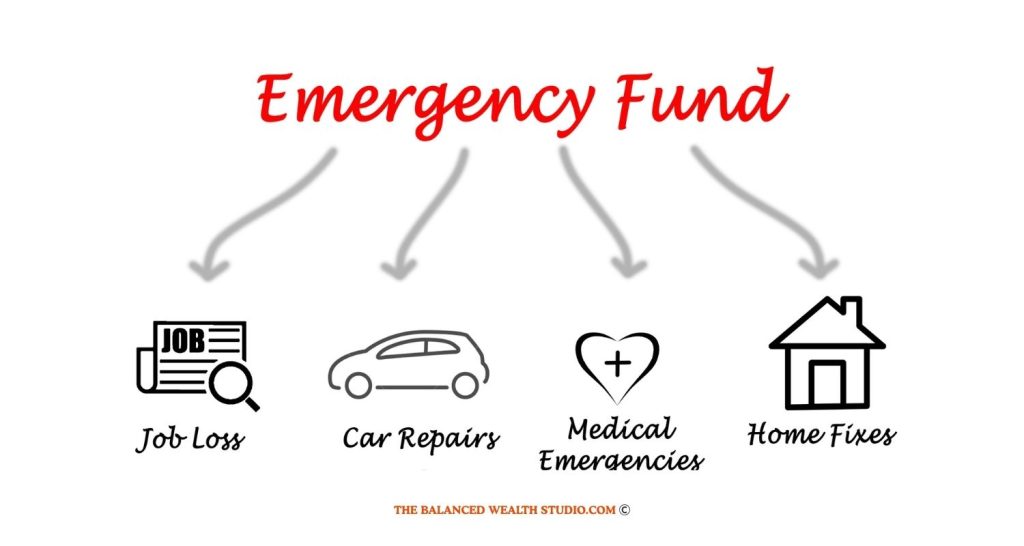
By the second year, they upped their monthly savings to £60, started an emergency fund, and had breathing space for unexpected costs.
Scenario 2: How £1.50 a Week Changed One Woman’s Life
Zara was a single woman working a part-time retail job, struggling on a tight income. Saving even £10 a month seemed impossible.
But she decided to start with £1.50 a week. That’s less than the price of a soft drink.
She opened a savings account, labelled it “Me First Fund,” and automated a standing order to transfer £1.50 every Friday.
Over 12 months, she saved £78.
Not millions, but it was hers. And she realised it worked.
Encouraged, she began reviewing her expenses:
- She cut unused subscriptions.
- She meal prepped instead of buying lunch.
- She used public transport more intentionally.
By year two, she was saving £20 a week and starting a small emergency fund which had £1040 after 12 months.
Why This Works: The Power of Automating Your Savings
Here’s the thing: Willpower is unreliable. Life gets busy. Bills pile up. You forget.
That’s why automation is everything.
✅ Set a standing order from your current account to your savings account.
✅ Make it happen the day you’re paid.
✅ Start small—even £1 counts.
✅ Label the savings account something that reminds you of your goal (e.g. “Freedom Fund” or “Peace of Mind”).
When savings happen automatically, you remove the emotional attachment from the equation.

Create a Simple “Pay Yourself First” Tracker
Here’s how you can track your progress:
Step 1: Set Your Monthly Goal
Start small. What’s realistic for you?
💡 Example: £10 per month or £2.50 per week.
Step 2: Automate It
Set a standing order for that amount to a separate savings account.
Step 3: Track Weekly or Monthly Progress
Create a simple tracker with four columns:
| Date | Amount Saved | Total So Far | Notes (e.g. how you did it) |
Step 4: Review & Adjust Every 3 Months
As you learn to budget better, slowly increase your savings amount by £1–£5.
The Spending Priority System That Changed Everything
One of the most important lessons I learned was to create a Spending Priority System.
Mine looked like this:
- Pay Myself First (savings)
- Essentials (rent, bills, food)
- Debt Repayment
- Sinking Funds (birthdays, holidays, car costs)
- Wants (eating out, subscriptions, new clothes)
This system forced me to face my spending patterns and start living below my means.
I asked hard questions:
- Do I need this or do I just want it?
- Can I wait 30 days before buying?
- Will this help or hurt my future self?
Final Thoughts: Saving Is Self-Respect
If saving money feels impossible right now, I get it.
But I promise you, the moment you decide to pay yourself first, even with just £1, you’ve already taken the first step toward changing your future.
It’s not about how much you save. It’s about creating the habit.
And with every small step, you’re building the confidence and skill to manage your money with intention.
“Small habits make a big difference”
the balanced wealth studio